
What Is ATSC 3.0 Live TV on Phones and Why Are Smartphone Companies Opposing It?،
The Indian government is reportedly considering implementing ATSC 3.0 technology on every smartphone sold in India. Also called “NextGen TV,” ATSC 3.0 technology would allow smartphones to receive live broadcasts of television channels without the need for wireless networks.
However, the move was met with strong resistance as many OEMs came forward to oppose the government’s plan. These include Qualcomm, Ericsson, Nokia and Samsung, who say implementing ATSC 3.0 would require hardware increasing the cost of each device to the end user and the various complications of integrating phones with technology impacting battery life, among other things.
The Indian Cellular and Electronics Association (ICEA), which includes Vivo, Oppo, Xiaomi and Samsung, has also opposed the move. The ICEA criticized the adoption of ATSC 3.0 technology as it could harm domestic manufacturing and increase device manufacturers’ PoV hardware, IP and software spending, which would ultimately be passed on to end users.
The question is: what is ATSC 3.0 technology? How does it work and what are the potential benefits of adopting this feature? Well, if that’s what you’re here for, read on to know the latest technologies that are all the buzz in the news.
What is ATSC 3.0 technology?
ATSC stands for Advanced Television Systems Committee. It sets standards for television broadcasting that countries around the world follow. It interprets how television signals from satellite, cable or terrestrial networks will be broadcast and interpreted by the receiving devices. ATSC 3.0 is the latest standard that regulates digital signals, replacing NTSC for analog signals.
Also known as NextGen TV, ATSC 3.0 has the potential to stream to any device and up to 4K resolution at 120fps. It supports both HDR and HLG content as well as Dolby AC-4 audio. ATSC 3.0 combines the use of over-the-air (OTA) signals and Internet Protocol (IP) signals. Think of the standard as a super highway with a set of rules, regulations and disciplines that car owners must follow.
How does ATSC 3.0 work?
India is no stranger to satellite technology. At the time, televisions broadcast channels and content using broadcast signals received by antennas installed on the terrace which intercepted the signals via the satellite carrier. Alternatively, users can get cable connections from service providers who could potentially install larger antennas to connect to satellites. This setup is cost-effective and requires minimal effort.
With ATSC 3.0 in place, people will be able to intercept TV broadcast signals on their ATSC 3.0 compatible devices, such as a smartphone. Here, the infrastructure requires setting up broadcast towers that would distribute signals much like 4G, 5G, etc. cellular networks. An ATSC 3.0 compatible device would capture their signals, decode them, and display the content on the device from HD to potentially 4K resolution.
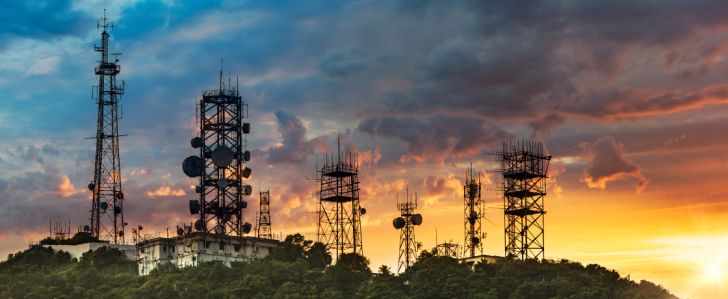
ATSC 3.0 antennas can be used on a multitude of devices, including smartphones and set-top boxes, among others. This is where the Indian government comes in as it plans to force OEMs to integrate an ATSC 3.0 antenna on every smartphone sold in India to stream live TV. ATSC 3.0 will not require any cellular network. This was demonstrated by the Mark ONE smartphone from ONE Media and Saankhya Labs, where they stream live TV to the phone integrated with an ATSC 3.0 antenna.
You can simply call it “live TV over the phone”, which has not been seen anywhere yet. The live TV we’re used to watching requires a cellular network and internet, however, ATSC 3.0 is different and you can check out the benefits to find out why.
Benefits of ATSC 3.0
Unlike analog NTSC signals, ATSC 3.0 technology uses digital signals capable of reaching resolution up to 4K. ATSC 3.0 technology provides additional bandwidth to multiple streams simultaneously. There’s also lower latency on the table, especially when there are live sports broadcasts.

Disadvantages of ATSC 3.0
But there are also disadvantages, but they are often overshadowed by the advantages. For example, ATSC 3.0 requires broadcasters to upgrade their base stations and transmitters, which represents a huge initial investment. The OTT era has significantly increased mobile usage with millions of users now connected to OTT platforms for their daily consumption. OTT has almost replaced TV and that’s why it complicates things for ATSC 3.0 as well.
Streaming 4K content over ATSC 3.0 for users to watch is comparatively more difficult than OTT. This is also because there isn’t a lot of TV content available in 4K since most shows are shot in HD and there aren’t many subscribers willing to watch content via ATSC 3.0 in 4K resolution, which ends up being a chicken and egg problem.
Why are smartphone brands hesitant to support ATSC 3.0 in India?
Even though India is one of the largest smartphone markets, it is price sensitive, meaning pricing strategy can make or break sales. Adding ATSC 3.0 support to smartphones would have been a no-brainer if it was a software implementation, but it is a hardware upgrade. This means redesigning the phones to add antenna hardware, adding another $30 (or INR 2,500) on top of the price of the phone.
Adding $30 to the price is a big increase that can make potential buyers skeptical of their decisions. Additionally, it would require a redesign as the antenna would take up space, which could increase production costs due to special design as well as potential compromises in terms of other components such as battery size.
ATSC 3.0 infrastructure in India is underdeveloped, meaning broadcasters will need to invest heavily in setting up base stations and towers similar to 4G or 5G towers to enable live TV broadcasting. Additionally, people are moving away from live TV and subscribing to OTT platforms, meaning there may not be many takers. These are some of the reasons why smartphone brands are currently hesitant to install ATSC 3.0 on their devices in India. The Indian government has not yet finalized the proposal, so it will take some time before knowing the verdict.
You can follow Smartprix on Twitter, Facebook, Instagram and Google News. Visit smartprix.com for the latest news, reviews and technical guides.