Google, Netflix, and Spotify gang up on Apple Vision Pro to keep it niche, but why?،
A famous Apple analyst fears that its debut VisionPro AR/VR headsets appear to have limited reach outside of the inevitable mass of early adopters. Although Apple Vision Pro pre-order weekend sales may have reached as many as 180,000 units, demand may decline, unlike what usually happens with iPhone launches.
Certainly, the $3,500 starting price of the
VisionPro might be the biggest obstacle standing between Apple's first new product in a decade and mass adoption, but other reasons are now piling up even before the product launches.
Apple VisionPro Comments. Immediately after Apple launched the
Pre-ordering Vision
Pro, several of the most popular content platforms – YouTube, Netflix, Meta or Spotify – have stated that they have no plans to support it.
Why are Google, Netflix and Spotify teaming up on the Apple Vision Pro?
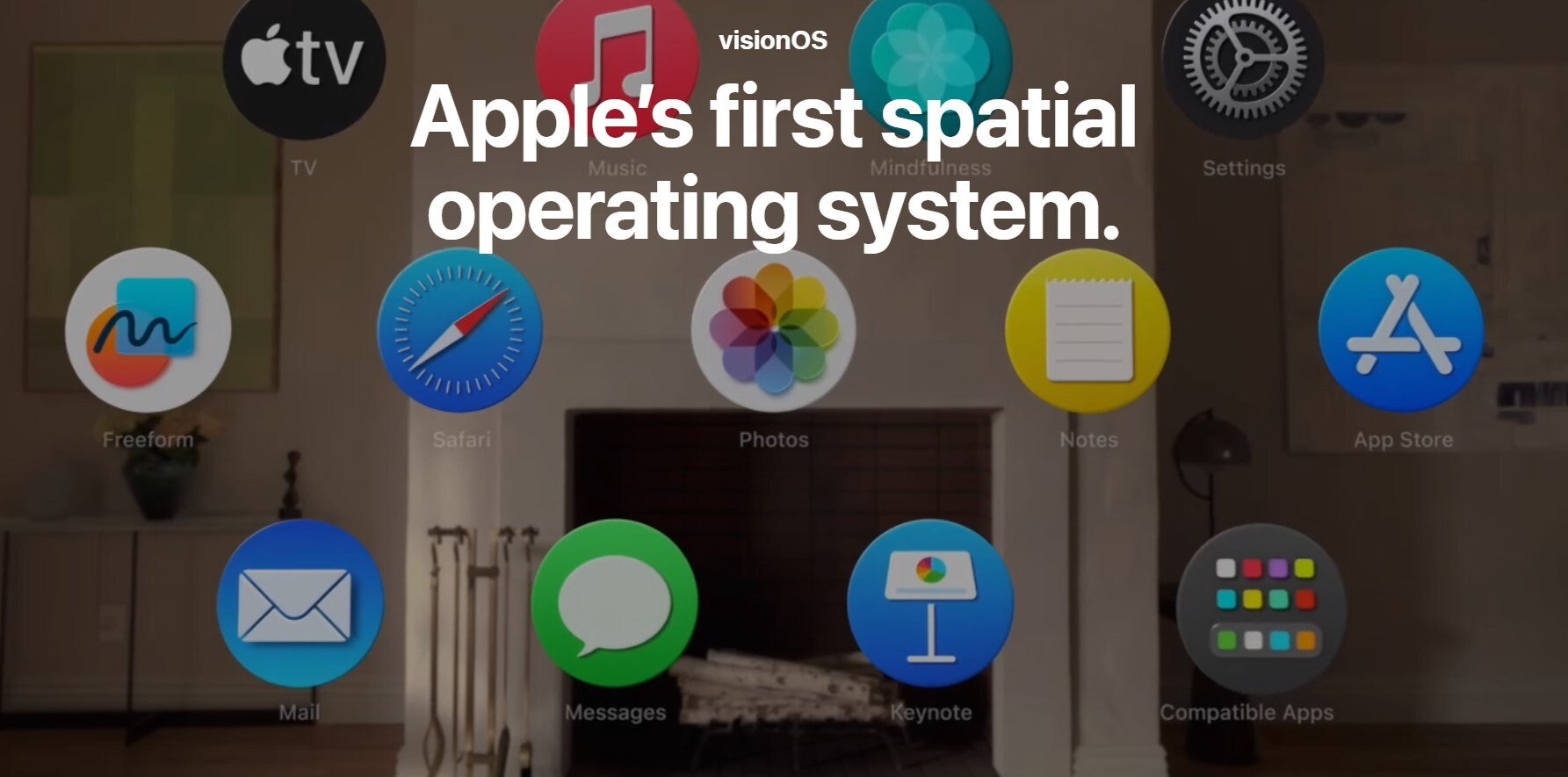
“Apple VisionPro features the familiar apps you know and love – transformed to live in your space. Like Safari, photos, music and messages“, Apple poetically declares in promotions of its first augmented reality device. What it won't have, however, are other familiar applications, like YouTube.
If a VisionPro If the owner wants to watch YouTube videos, Netflix originals or stream their Spotify playlist, they will have to use them in the Safari browser. Bad luck, as it would inevitably become far too cumbersome for what could already be a difficult-to-navigate interface experience. Does it have to be like this?
The number of visionOS compatible apps for Apple Vision Pro could disappoint at launch
Google may not want Apple Vision Pro to succeed
Given the love-hate relationship Google has with Apple, it's not hard to imagine a scenario in which it wouldn't be terribly enthusiastic about ceding yet another promising future technology to user influence from Apple. Apple has been trying to break away from Google's popular apps for years, while Google is paying it billions to become the default search option on iOS devices.
In light of these struggles dating back to when Steve Jobs wanted to launch a “thermonuclear war” against Google for – according to him – stealing iOS concepts with its Android software, Google may simply want to slow down any potential for success that it has.
VisionPro and it's new
visionOS can achieve with mass user. After all, Apple TV+ and Prime
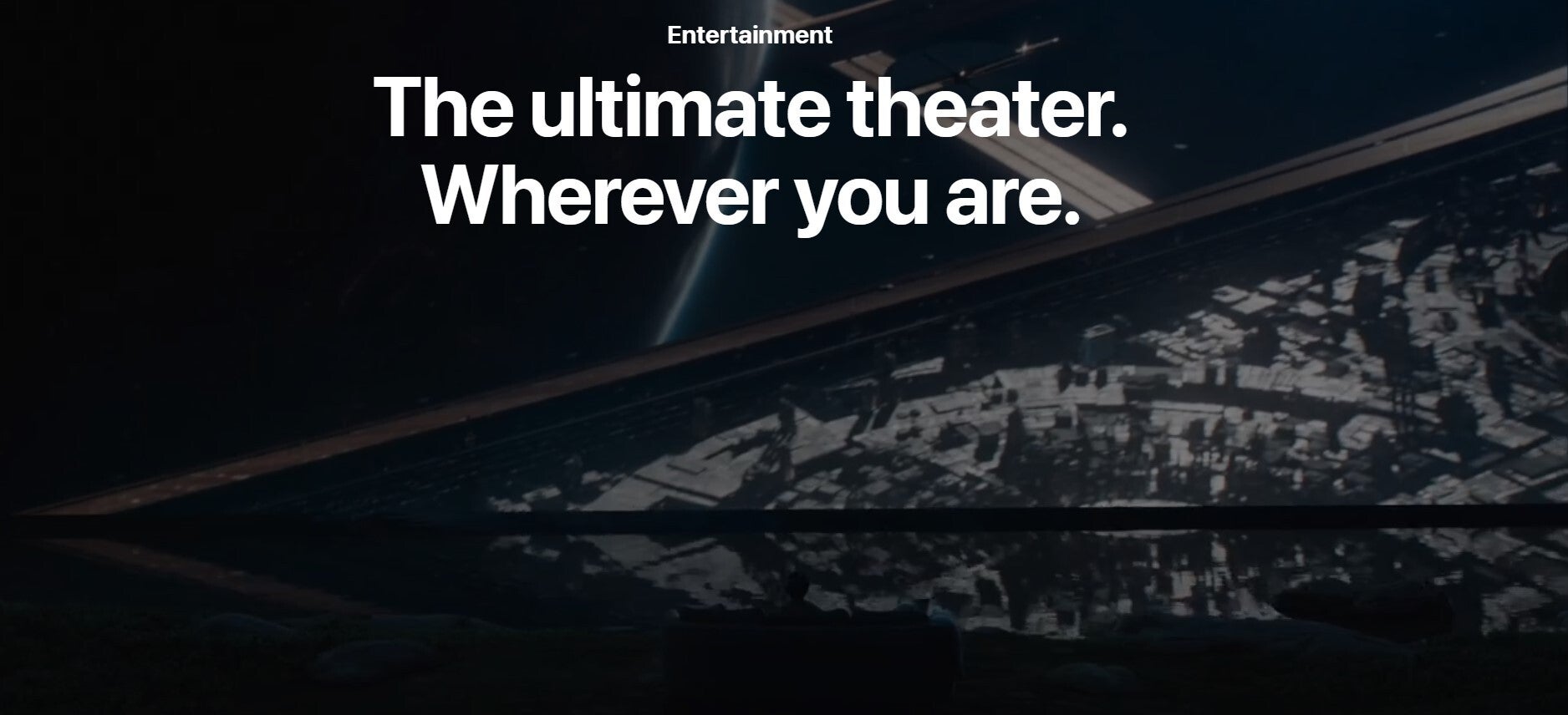
Video don't exactly have the clout of YouTube, so the fact that we can watch The Foundation natively on the
VisionPro may not make up for the lack of YouTube.
Content streaming giants like Netflix or Spotify, some of which have had their own battles with Apple over the “tax” it levies on subscriptions made via iOS, may also be reluctant to repeat the experiment in the new virtual reality of VisionPro. Apple just resolved its commission dispute with Fortnite maker Epic Games, for example, sidestepping the ruling and still claiming a 27% commission rate on the direct link alternative for payments outside of its billing system.
It's just that now the developer can get a “right” to include a direct payment link in addition to Apple's subscription processing. Spotify argued that this defeats the purpose since “
Apple has demonstrated that they will stop at nothing to protect the profits they make off the backs of developers and consumers through their app store monopoly,“So streaming platforms aren't really excited about joining yet another visionOS ecosystem provided by Apple.
The Vision Pro will launch with second-tier streaming platforms
Demand for Apple Vision Pro might not justify the means
On the other hand, after the fairly successful Apple VisionPro launch of pre-orders, demand seems to be decreasing, unlike iPhone launches. Google and other content giants may just be waiting to see if the Apple VisionPro catches up enough with people's minds to warrant dedicated resources for software development and support.
Renowned Apple Analyst
Ming Chi Kuo thinks Apple could still be on track to sell half a million AR/
VR headsets this year, but he also worries about some signs that only early adopters will get it and then demand will drop. YouTube, Netflix, and Spotify may have decided to forgo several hundred thousand additional potential eyes or ears and only launch with full app support if demand makes that decision inevitable.
After all, augmented reality Apple VisionPro It would take a lot more effort from developers to create a suitable native app that will live up to Apple's standards for nascent apps. visionOS platform and be approved for its presence in the “compatible applications” carousel. Until then, YouTube browser access should be enough, at least according to Google and the rest of the Silicon Valley gang.